Choosing the Best Window Materials for Coastal Homes
Posted on: September 16, 2026
Living near the coast means beautiful views, ocean breezes, and easy access to everything that makes this area special. However, coastal living comes with a trade-off: salt air, sun, and moisture can be tough on windows over time. If you are considering window replacement, the best material is not automatically the newest or most expensive option. It is the one that fits your home’s exposure, existing window condition, design, and performance needs.
Knowing how common frame and glass materials behave can help you make a smarter choice, whether the right solution is window repair or window replacement.
What Coastal Conditions Change About Window Choice
A home in Point Loma or another neighborhood close to the water faces different conditions than a home farther inland in La Mesa, Santee, Alpine, or Lakeside. Salt carried through the air can affect metal finishes and hardware, while strong sun can influence heat gain and long-term appearance.
That makes window selection site-specific. Coastal proximity, window orientation, opening size, and the condition of the existing frame should all be considered before choosing a material.
Comparing Common Window Frame Materials
Vinyl
Vinyl resists moisture, requires little routine maintenance, and offers good thermal performance. The U.S. Department of Energy notes that vinyl frames have good moisture resistance and can be insulated to improve thermal performance.
For many San Diego homes, vinyl offers a practical balance of performance and cost. Product quality still matters, particularly for windows exposed to strong direct sun.
Aluminum
Aluminum is strong and supports slimmer profiles, which can be useful for larger openings or homeowners who want more visible glass. Because metal transfers heat more readily, thermally improved frames can help address efficiency.
Near the coast, finish quality matters too. If oxidation or hardware wear appears, the damage should be evaluated before assuming a full window replacement is necessary.
Clad Windows
Clad windows combine materials, often pairing a wood interior with a more weather-resistant aluminum or vinyl exterior. They can suit homes where architectural character is important without leaving exposed wood to handle all exterior conditions.
They may also come at a higher cost, so style, maintenance expectations, and exposure should guide the decision.
The Glass Matters Just as Much as the Frame
Frame material is only part of window performance. Dual-pane insulated glass and Low-E coatings can help control heat transfer, while tempered or laminated glass may be appropriate where added safety or specific code requirements apply.
The National Fenestration Rating Council recommends comparing whole-window performance using ratings such as U-factor and solar heat gain coefficient. Those measurements make it easier to compare replacement windows based on how the complete unit performs rather than focusing on the frame material alone.
Repair, Glass Replacement, or Full Window Replacement?
Choosing the right window material also means understanding what can be repaired if something goes wrong later. A problem with the glass does not necessarily mean there is a problem with the frame, whether the window is vinyl, aluminum, or another material.
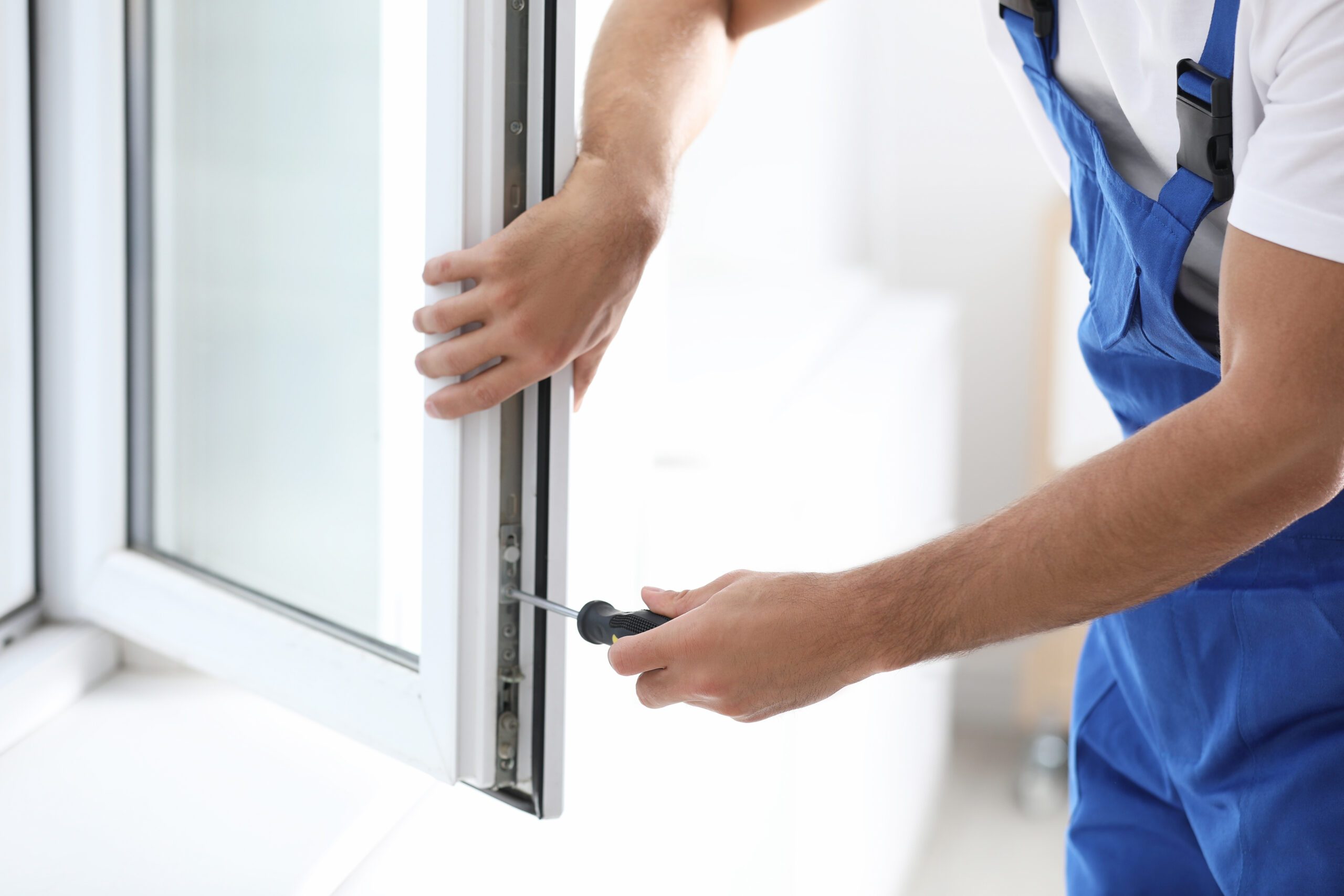
If the existing frame is still sound, fogged dual-pane glass, a failed seal, or a cracked pane may be addressed through glass replacement without replacing the entire window. Locks, balances, and other components may also be candidates for window repair.
Full window replacement is generally more appropriate when the frame itself has deteriorated or no longer performs properly, or when a homeowner wants to change the window’s material, configuration, or overall performance. Glenview Glass & Screen evaluates what actually needs attention so homeowners can make the most practical choice for the window they have.
How to Choose the Right Window Material
There is no single window material that works best for every coastal home. Think about how close your home is to the water, how much direct exposure the windows receive, and how much ongoing maintenance you are comfortable with. From there, you can compare which materials offer the right balance of durability, efficiency, appearance, and cost for your home.
It is also worth looking beyond the material name when comparing products. Quality can vary between manufacturers, so warranties, finishes, hardware, and product specifications can help distinguish between two windows made from the same basic material.
Frequently Asked Questions
Do I need impact-resistant windows for a coastal home?
Living near the coast does not automatically mean a home requires hurricane-style impact windows. Window requirements depend on applicable building codes and the specific installation, while laminated or other specialty glass may still be chosen for additional security, sound reduction, or other performance goals.
How close to the ocean does a home need to be for salt air to affect windows?
There is no single distance where salt exposure begins or ends. Wind direction, elevation, nearby buildings, and how exposed the property is can all affect how much salt reaches a home, so two properties the same distance from the water may experience different conditions.
Does window material affect which glass options I can choose?
Sometimes. Glass packages are offered as part of specific window product lines, so the available Low-E coatings, laminated glass, pane configurations, or other upgrades can vary depending on the frame and manufacturer selected.
Choose the Right Solution for the Window You Have
New windows are an investment in your home, so it is worth feeling confident about what you choose before the work begins. At Glenview Glass & Screen, we’re here to provide the information and guidance you need to make that decision.
Ready to see what’s available for your home? Contact us to explore your options, ask questions, and request a quote.